Some children can read every word on the page correctly and still struggle to understand what they have read. Listen to them read aloud and you often hear why: each word arrives separately, with pauses in odd places and no expression. All their effort is going into getting the words right, leaving very little for the meaning. That is a fluency problem, and it explains why many children who "can read" still find reading hard work.
A fluent reader does three things at once:
Reads accurately, recognising words correctly.
Reads at a comfortable pace, recognising most words instantly without sounding them out.
Reads with expression, grouping words into phrases and using tone, pauses and emphasis that match the meaning.
Speed matters, but fluency is not the same as reading fast. A child racing through a page without pausing at full stops is not reading fluently either.
Our attention is limited. A child who is still working hard to decode words has little left to think about what is happening in the story or what a sentence means. As word reading becomes automatic, attention is freed up for comprehension.
This is why the Department for Education's reading framework describes fluency as the bridge between decoding and understanding. It also matters more as children get older. In Key Stage 2 and secondary school, the amount of reading in every subject increases sharply, and slow reading turns every lesson into hard work.
You may notice that your child:
reads word by word, in a flat voice
often goes back to re-read words they have already read
loses their place or skips lines
reads accurately but cannot tell you what happened
tires quickly or avoids reading aloud
finds the KS2 reading test difficult to finish in the time
Schools usually focus on fluency once children have learned to decode through phonics, typically in Year 2 and across Key Stage 2. Common approaches include:
Repeated reading: reading the same short passage several times, so more words become instant.
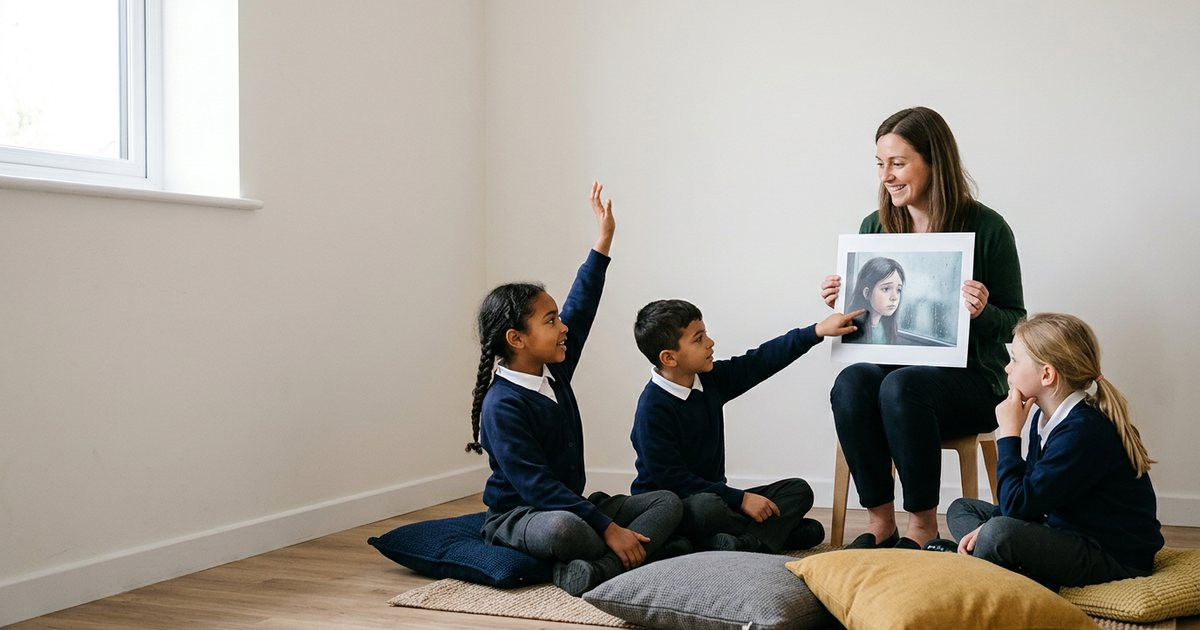
Modelled reading: the teacher reads a passage aloud with expression, then children read it back.
Echo and choral reading: children repeat a sentence after the teacher, or read together as a group.
Paired reading: a confident reader and a less confident reader take turns.
The reading framework highlights repeated reading as one of the most effective ways to build fluency. Each time a child re-reads a text, more of the words become recognised at a glance.
These need only ten minutes, a few times a week.
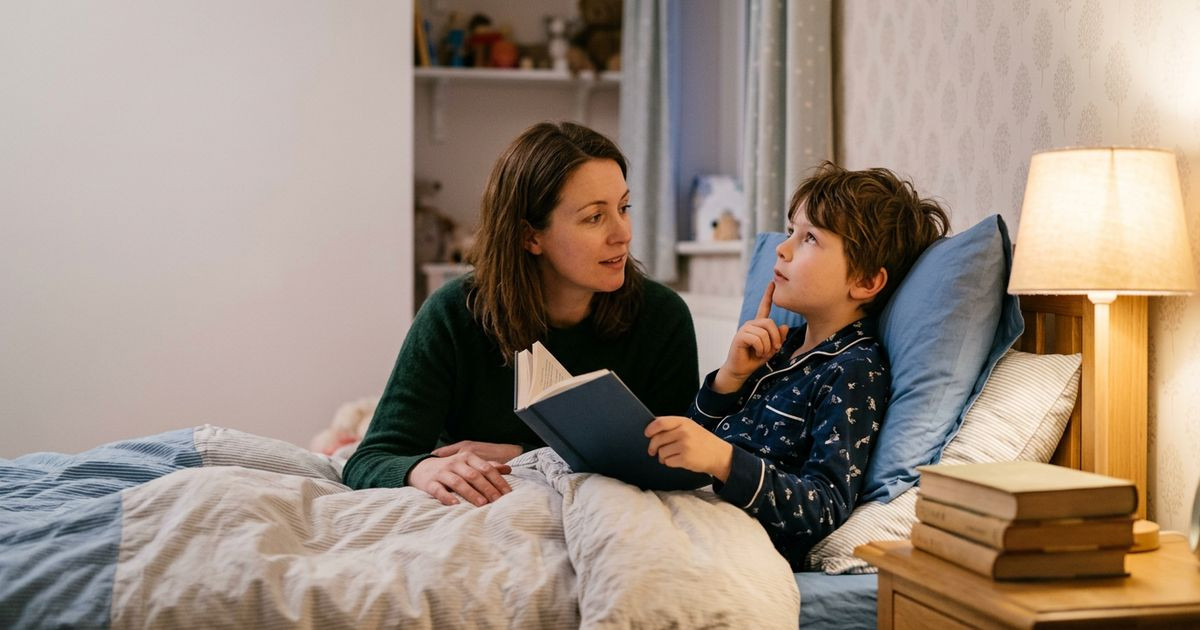
Children often want to read a favourite book again, and that is useful. Re-reading builds confidence and speed. For younger readers, re-reading the school reading book two or three times is valuable, not a waste of time.
Read a short paragraph aloud with lots of expression. Then read it together. Then let your child read it alone. This "I read, we read, you read" pattern shows what fluent reading sounds like.
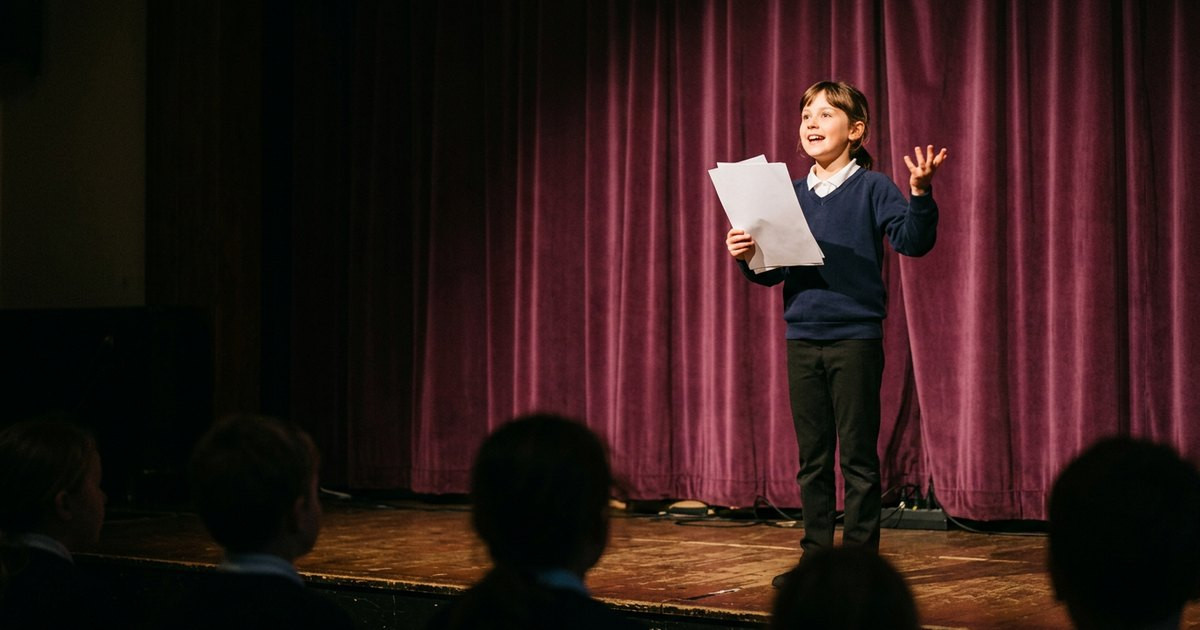
Poems, jokes, short plays and scripts are excellent for fluency, because they reward expression and rhythm. Children can perform them, which gives a real reason to practise.
Show how commas and full stops change the way a sentence sounds. Read a sentence ignoring the punctuation, then read it properly, and ask your child which makes more sense.
Practise fluency with books your child can read accurately, where they stumble on very few words. Harder books are better shared, with you reading aloud, so your child still enjoys rich stories and vocabulary.
If your child is still reading word by word by the middle of Key Stage 2, or if reading accuracy itself is a problem, talk to their teacher. Fluency difficulties sometimes sit on top of gaps in phonics that need addressing first.
Our KS2 English tuition includes regular reading aloud and fluency practice. For younger children still securing phonics, KS1 English tuition focuses on the decoding skills fluency depends on.
There is no national reading speed target for each year. Schools often use their own fluency checks, and the national reading tests in Year 6 are timed, so slow reading can affect how much of the paper a child completes.
Both matter. Reading aloud shows you how fluent your child is and builds expression. Silent reading builds stamina and is how most reading happens as children get older.
Recent Posts
Categories
Tags



 Updated 25-November-2026