Updated 24-November-2026
Most children enjoy telling stories out loud. Writing them down is harder. Ideas that sounded exciting in their head come out as "and then... and then... and then", the ending arrives suddenly, and the characters never quite come alive. In Key Stage 2, children are expected to move beyond that: to plan, to shape a story with a clear structure, to write in paragraphs, and to choose words that make readers feel something.
Parents can help a great deal, not by correcting every line, but by helping children think before they write and look again once they have.
The national curriculum for Years 3 to 6 asks children to plan, draft, evaluate and edit their writing. For stories, that translates into some recognisable features:
A clear structure, with an opening, a problem or build-up, a turning point and an ending
Settings and characters described with care, not just named
Dialogue that shows something about the character or moves the story on, punctuated correctly
Paragraphs to organise time, place and events
Varied sentences, including longer sentences with clauses and short sentences for effect
Precise vocabulary chosen for the reader, not just the longest word available
By Year 6, the best stories also show control: the writer chooses when to slow down a moment with detail and when to move quickly.
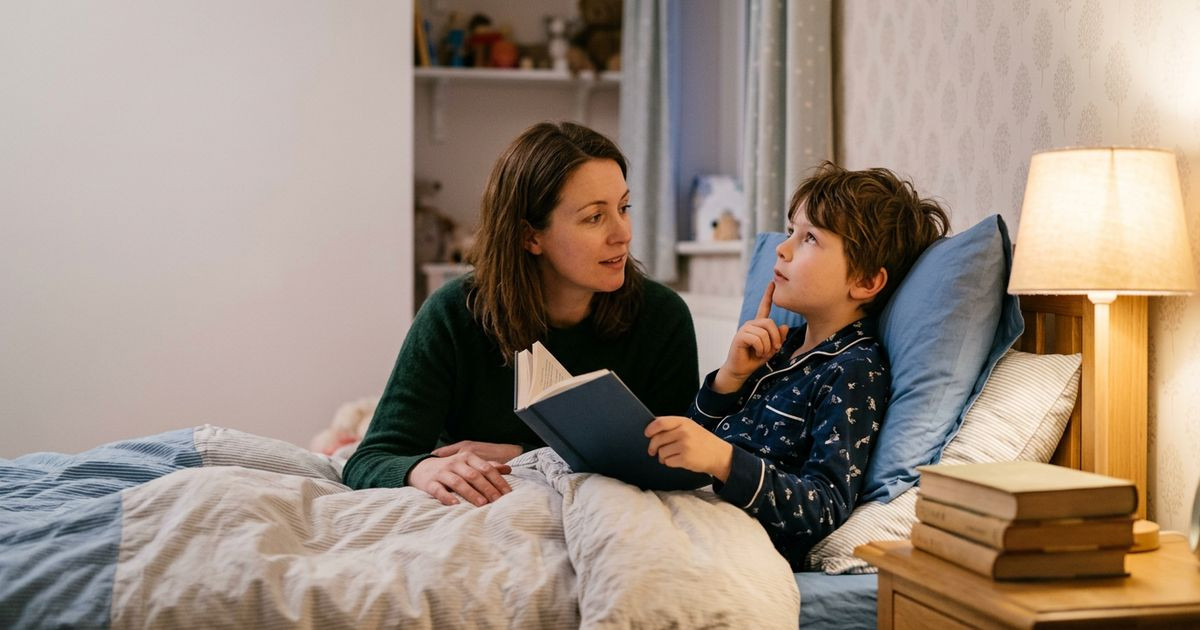
Many of the problems in children's stories start because the story was never really planned. Spend five minutes talking it through. Ask:
Who is the main character, and what do they want?
What gets in their way?
What is the most exciting moment?
How does it end, and how has the character changed?
If your child can tell you the story aloud in under a minute, they are ready to write. The Department for Education's writing framework places strong emphasis on talk and planning before writing, especially for younger and less confident writers.
A five-part plan works well in KS2:
Opening: introduce the character and setting.
Build-up: something starts to happen.
Problem: the main difficulty or danger.
Resolution: how the problem is sorted out.
Ending: how things are now, and what the character feels or has learned.
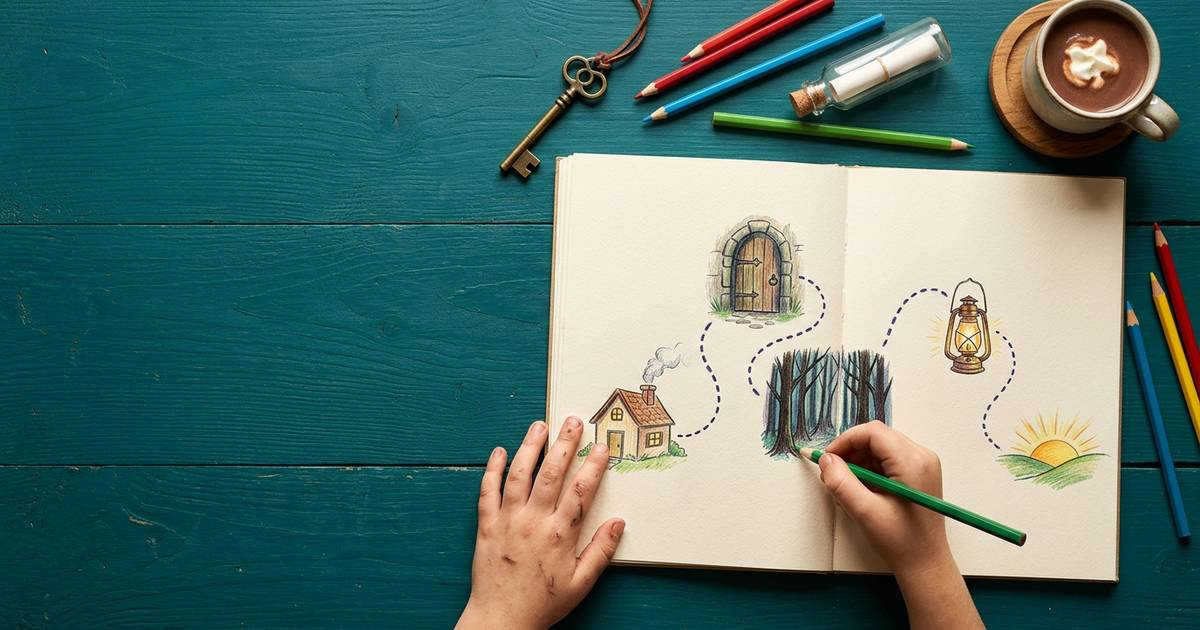
A plan only needs a few words or a quick sketch for each part. It should take minutes, not most of the session.
Openings set the tone. Encourage your child to try more than one kind:
Dialogue: "Don't open that door," whispered Lily.
Action: Jake sprinted across the playground, his bag bouncing behind him.
Setting: Fog crept along the empty street, swallowing the lamp posts one by one.
A question: Have you ever heard a clock ticking in a house with no clocks?
Compare two openings and ask which makes your child want to read on.
"Show, don't tell" is the advice most KS2 children hear. In practice it means letting readers work out feelings from actions, speech and reactions.
Compare:
Tom was nervous.
with:
Tom's hands were damp. He read the first line of his speech three times without taking in a single word.
Ask your child how they would know someone was angry, excited or scared in real life, then use those details in their writing.
Children often write a whole story as one block. Teach the simple rule of starting a new paragraph for a new time, a new place, a new event, or a new person speaking. Paragraph openers such as "Later that night", "Meanwhile" or "Without warning" help link the story together.
When the draft is finished, ask your child to read it aloud. They will hear missing words and clumsy sentences that they would not see on the page. Then choose one thing to improve: a stronger verb, a more vivid description, or a better final line. One focused change is more useful than a page of corrections.
A pet that can talk for one day only
A door in the school that nobody has ever opened
Waking up as the smallest person in the world
A message in a bottle washed up on a London riverbank
A map found inside a library book
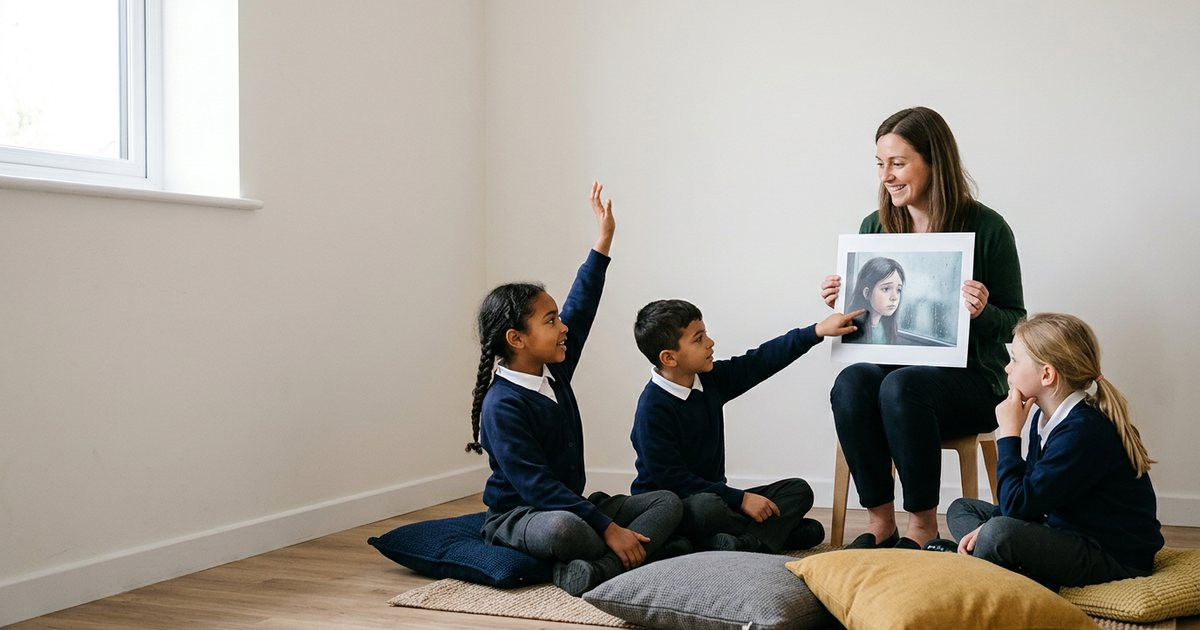
Picture prompts, short films without words and favourite books retold from another character's point of view are also good starting points.
Our KS2 English tuition includes regular creative writing, with tutors helping children plan, draft and improve their own stories. For children who need to build stamina and confidence, a free assessment can show where to start.
Recent Posts
Categories
Tags