Updated 07-May-2026
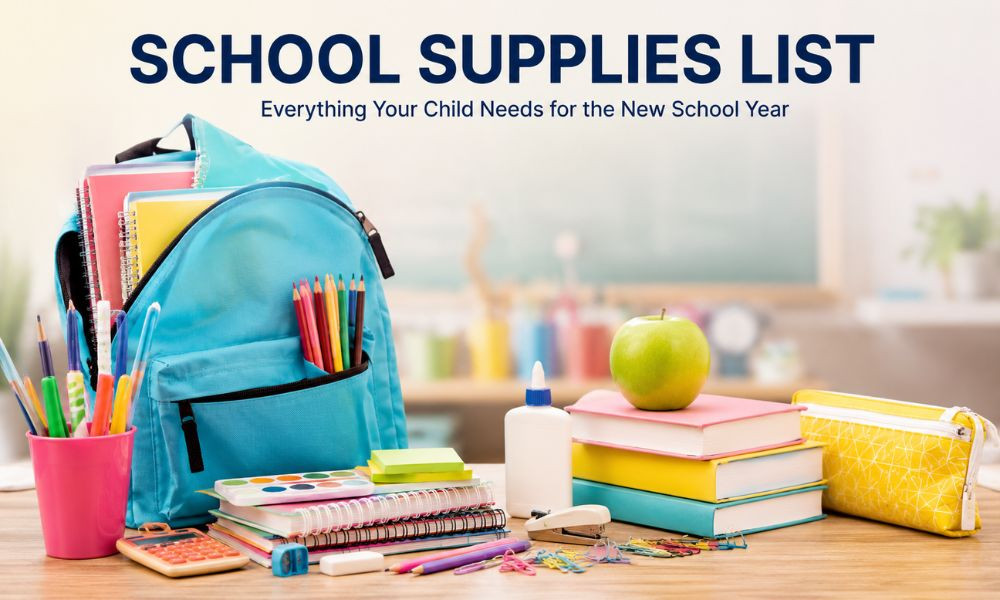
Getting ready for a new school year can feel exciting, stressful, and expensive all at once. Whether your child is starting primary school for the first time or preparing for another busy year in secondary school, having the right school supplies can make a huge difference to their confidence and organisation.
Many parents leave shopping until the final week before school starts, only to realise they’ve forgotten important essentials. That’s why having a complete and practical school supplies list is so useful.
In this guide, we’ll cover everything UK parents need to know about building the perfect school supply list for 2026, including primary school essentials, secondary school stationery, study tools, organisation tips, and ways to help your child start the year confidently.
School supplies are more than just pens and notebooks. The right equipment helps children stay organised, participate in lessons confidently, and develop better study habits throughout the year.
When children arrive prepared, they often feel less anxious and more motivated to learn. Simple things like having working pens, labelled folders, or a reliable calculator can prevent unnecessary stress during lessons.
For younger children, colourful and practical stationery can even make learning more enjoyable. For older students, organisation becomes increasingly important as homework, revision, and coursework begin to grow.
Primary school students usually don’t need extremely advanced equipment, but they do need reliable everyday essentials that support creativity, writing, maths, and classroom activities.
Here’s a complete primary school school supplies list for UK students:
HB pencils
Pencil sharpener
Rubber erasers
Coloured pencils
Washable markers
Glue sticks
Child-safe scissors
30cm ruler
Exercise books
Reading folder
Plastic wallets or folders
Pencil case
School bag
Lunch box
Water bottle
Name labels or stickers
Whiteboard marker (if requested by school)
PE kit bag
Art apron or old shirt for painting activities
Some schools provide certain classroom materials, while others ask parents to supply everything. It’s always worth checking the school’s official checklist before shopping.
One useful tip is to buy extra pencils, glue sticks, and erasers early in the year. These tend to disappear surprisingly quickly during the first term.
Secondary school students need a wider range of stationery and learning tools because subjects become more specialised and workloads increase.
A well-prepared secondary school supply list should include:
Black or blue pens
HB pencils
Highlighters
Coloured pens
Pencil sharpener
Eraser
Scientific calculator
Geometry set
30cm ruler
A4 notebooks
Ring binders
Subject folders
Loose-leaf paper or refill pads
Sticky notes
Revision cards or flashcards
USB flash drive
Planner or diary
School backpack
Water bottle
Lunch box
For GCSE students, organisation becomes especially important. Many students benefit from separate folders for each subject to keep homework sheets, revision notes, and practice papers organised.
A scientific calculator is one of the most important purchases for secondary school maths. Students studying GCSE Maths and Science will use calculators regularly throughout the year and during exams.
Even organised parents sometimes overlook small but important items during back-to-school shopping.
Here are some commonly forgotten school essentials:
Pens run out, pencils break, and rulers disappear. Keeping backup stationery at home saves last-minute stress.
Labelling water bottles, lunch boxes, PE kits, and school bags can prevent expensive items from getting lost.
Older students often benefit from flashcards, sticky notes, revision notebooks, and desk organisers.
Back-to-school preparation isn’t only about shopping. Creating a quiet and organised study area at home can improve focus and productivity throughout the year.
Back-to-school shopping costs can quickly add up, especially for families with multiple children. Fortunately, there are several ways to reduce costs without compromising quality.
Buying stationery bundles or multipacks is often cheaper than purchasing individual items separately. Reusing folders, rulers, and calculators from previous years can also help save money.
It’s usually best to prioritise quality for items used daily, such as school bags, calculators, and lunch boxes. Cheap versions often wear out faster and end up costing more long-term.
Parents should also avoid buying unnecessary trendy stationery that children may stop using after a few weeks.
Having the right school supplies is important, but emotional preparation matters too.
Some children feel nervous before returning to school, especially when starting a new year group or moving to secondary school. Talking positively about school, establishing routines early, and helping children feel organised can make the transition much smoother.
Encouraging children to pack their own bags and organise their stationery also helps build independence and responsibility.
For secondary school students, time management becomes increasingly important. Using planners and revision schedules early in the year can reduce stress later on during exam season.
Many parents focus entirely on uniforms and stationery but forget about academic readiness.
After long school holidays, some children lose confidence in subjects like maths and English. A gentle academic refresher before term starts can help students return feeling more confident and prepared.
Even one hour of weekly support can help students strengthen core skills, improve focus, and rebuild learning habits before the pressure of homework and tests begins again.
This is especially valuable for students preparing for SATs, GCSEs, or important school assessments later in the year.
A school supplies list should include stationery essentials such as pens, pencils, notebooks, folders, rulers, calculators, lunch boxes, and school bags.
Secondary school students usually need scientific calculators, subject folders, notebooks, highlighters, geometry sets, and planners alongside basic stationery.
Most parents start shopping during the summer holidays, ideally a few weeks before school begins to avoid higher prices and low stock.
Some UK schools provide basic classroom materials, but many ask parents to supply personal stationery and learning equipment.
Alongside buying school supplies, establish routines, encourage organisation, and support academic confidence before the new term begins.
Creating the perfect school supplies list doesn’t have to be stressful. The key is focusing on practical essentials that help children stay organised, confident, and prepared for learning.
Whether your child is entering primary school or preparing for GCSE years, having the right equipment can make the start of term much smoother for both students and parents.
Remember that every school is slightly different, so always check official school guidance alongside your own checklist. Start shopping early where possible, label important items, and focus on organisation as much as stationery itself.
Most importantly, help your child begin the new school year feeling positive, supported, and ready to learn.
Recent Posts
Categories
Tags