Updated 26-May-2026
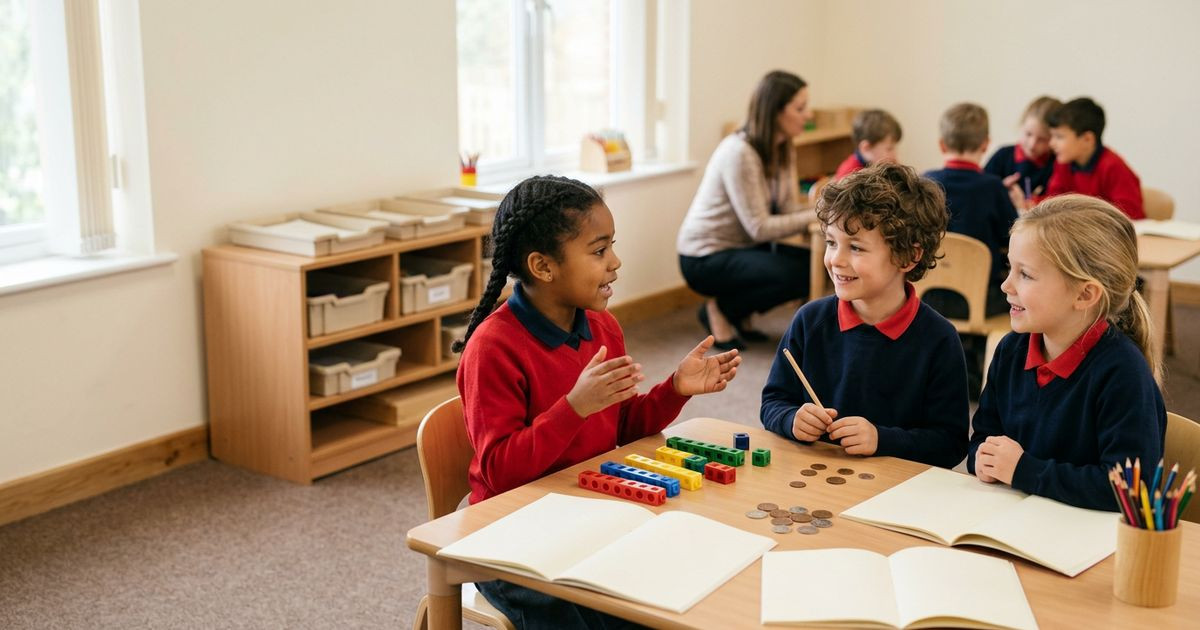
The move from Year 6 to Year 7 is one of the biggest changes in a child's school life. After years in primary school, children suddenly face a larger school, new teachers, different subjects, more homework, a timetable to manage and greater independence. For some children, this feels exciting. For others, it can feel overwhelming.
Parents often focus on uniforms, travel routes and school equipment, but academic preparation matters too. A child who starts Year 7 with secure Maths and English foundations is more likely to feel confident in lessons and settle into secondary school routines.
At Merit Tutors, we support students across East London with Primary, KS2, KS3, GCSE and A-Level tuition. This guide explains how summer tuition can help children move from Year 6 to Year 7 with stronger skills, better habits and more confidence.
Year 7 is not just "more primary school." The learning style changes. Students are expected to move between classrooms, organise books, manage deadlines and adapt to different teachers. They also begin Key Stage 3, where English, Maths and Science become more demanding.
The official GOV.UK Key Stage 3 and 4 national curriculum shows that core subjects such as English, Maths and Science continue to be central in secondary education. If a child has gaps from primary school, those gaps can become more noticeable in Year 7.
Summer preparation does not mean turning the holiday into school. It means using a small amount of time to build confidence, close gaps and help your child feel ready for the step up.
Many children find the academic jump harder than expected. In primary school, one teacher may know the child very well and support them closely. In secondary school, students may have several teachers and are expected to be more independent.
In Maths, children may struggle with fractions, decimals, percentages, ratio, negative numbers, problem-solving or early algebra. In English, they may need stronger reading comprehension, spelling, grammar, paragraph writing and confidence explaining ideas. Some children are bright but lose marks because they rush, avoid written detail or do not check their work.
There is also the emotional side. Starting secondary school can bring worries about friendships, getting lost, homework, behaviour rules or being in a larger environment. NHS guidance on anxiety in children notes that starting secondary school can be difficult for some children, especially when worries begin to affect confidence or daily life.
Academic preparation cannot remove every worry, but it can reduce one major source of stress: feeling behind before the year has even started.
The best summer preparation is focused, not excessive. Year 6 pupils do not need hours of daily revision. They need short, regular practice in the areas most likely to help them start Year 7 well.
For Maths, useful topics include times tables, fractions, percentages, ratio, place value, negative numbers, area, perimeter, angles, graphs and worded problem-solving. These topics appear again in Key Stage 3, often in more advanced forms.
For English, children should practise reading regularly, summarising information, writing clear paragraphs, using punctuation accurately and explaining their opinions with evidence. A small amount of writing practice each week can help children avoid losing fluency over the summer.
Science preparation can be light but useful. Children can review basic ideas such as forces, materials, electricity, living things, habitats and simple experiments. The aim is not to learn the full Year 7 curriculum early; it is to keep curiosity and confidence alive.
Summer tuition works best when it is calm and targeted. The goal is not to pressure children, but to help them feel prepared.
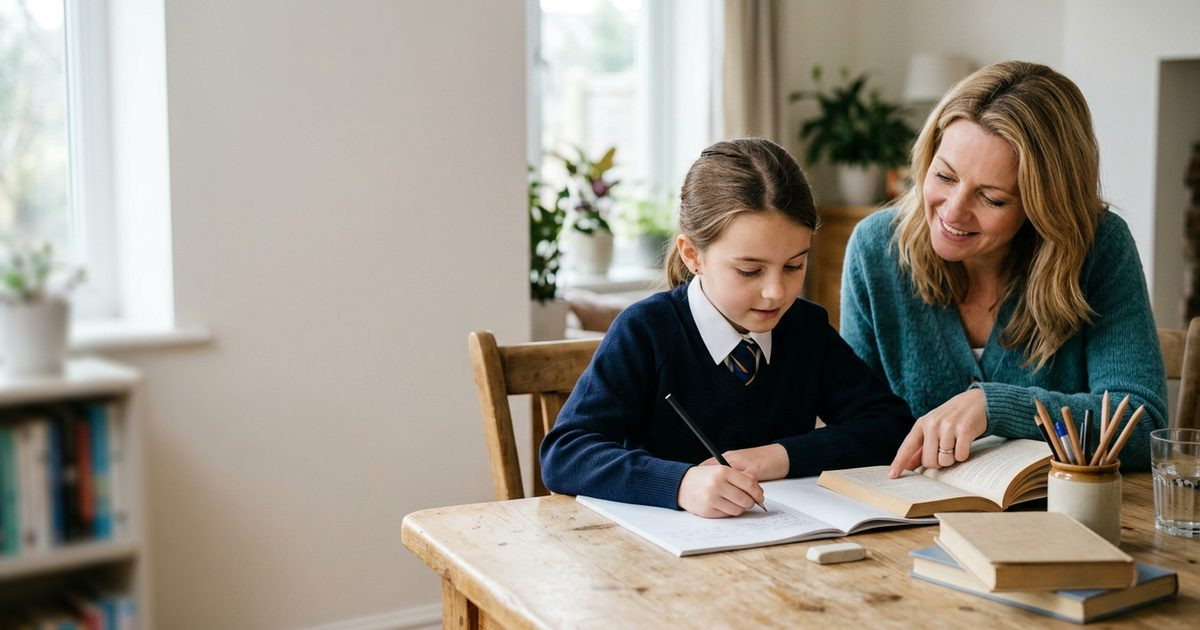
A tutor can assess where a child is currently confident and where they may need support. This is especially useful after SATs because parents may know the result but not always know which skills need strengthening.
Merit Tutors offers KS2 Maths tuition, KS2 English tuition and KS3 tuition to support students as they move from primary to secondary school. Lessons can help children review core skills, practise new-style questions and build better learning habits before September.
For many children, tuition also provides reassurance. They can ask questions without feeling embarrassed, practise at their own pace and receive feedback that builds confidence.
Academic skills are important, but Year 7 also requires independence. Children need to organise homework, read instructions carefully, bring the right equipment and manage time.
Summer is a good time to practise these habits gently. Parents can encourage children to keep a simple weekly planner, pack a bag from a checklist, complete short independent tasks and review their own work.
Tutors can support this too. A good transition programme should not only teach Maths and English; it should help students become more independent learners. That means checking answers, correcting mistakes, asking for help clearly and taking responsibility for small tasks.
These habits make a real difference when secondary school begins.
Parents do not need a complicated timetable. A simple weekly routine can work well:
two short Maths sessions
one English reading or writing session
one independent task, such as organising notes or completing a mini-project
regular reading for enjoyment
time for rest, play and family activities
The sessions can be short: 30 to 45 minutes is enough for many children. Consistency matters more than intensity.
If your child is anxious, start small. One successful session can build confidence. If your child is already strong academically, use the summer to stretch them gently with problem-solving, deeper reading or early KS3-style tasks.
Not every child needs tuition before Year 7. But extra support may help if your child:
lacks confidence in Maths or English
struggled with Year 6 topics
avoids reading or writing
finds worded Maths problems difficult
worries about secondary school
needs help building study habits
would benefit from structured summer learning
Parents often know when something feels uncertain. If your child is nervous about starting secondary school or has visible gaps in core subjects, early support can prevent bigger problems later.
Merit Tutors has supported students since 2004 and provides tuition across Primary, KS3, GCSE, A-Level and 11 Plus. Our East London centres support families in Forest Gate, Ilford, Plaistow and nearby areas, with online tuition also available.
Our approach is structured and personal. We identify the student's current level, build confidence in weak areas and help them develop the skills they need for the next stage of school.
For Year 6 pupils moving into Year 7, the aim is simple: help them start secondary school feeling capable, organised and ready to learn.
If your child is moving from Year 6 to Year 7 and you want to understand their current Maths or English level, a free assessment can help. It gives you a clearer picture of strengths, gaps and the type of support that may be useful before September.
Contact Merit Tutors to book a free assessment or ask about summer transition tuition in East London.
Year 6 to Year 7 transition tuition helps children strengthen Maths, English and study skills before starting secondary school.
Light, focused study can help. Children do not need heavy revision, but short weekly practice can keep core skills fresh and build confidence.
Maths and English are usually the most important because they support progress across Key Stage 3 and future GCSE learning.
Yes. Tuition can help children feel more prepared academically, which can reduce some worries about starting Year 7.
Yes. Merit Tutors offers KS3 tuition as well as KS2 Maths and English support for students moving from primary to secondary school.
Recent Posts
Categories
Tags