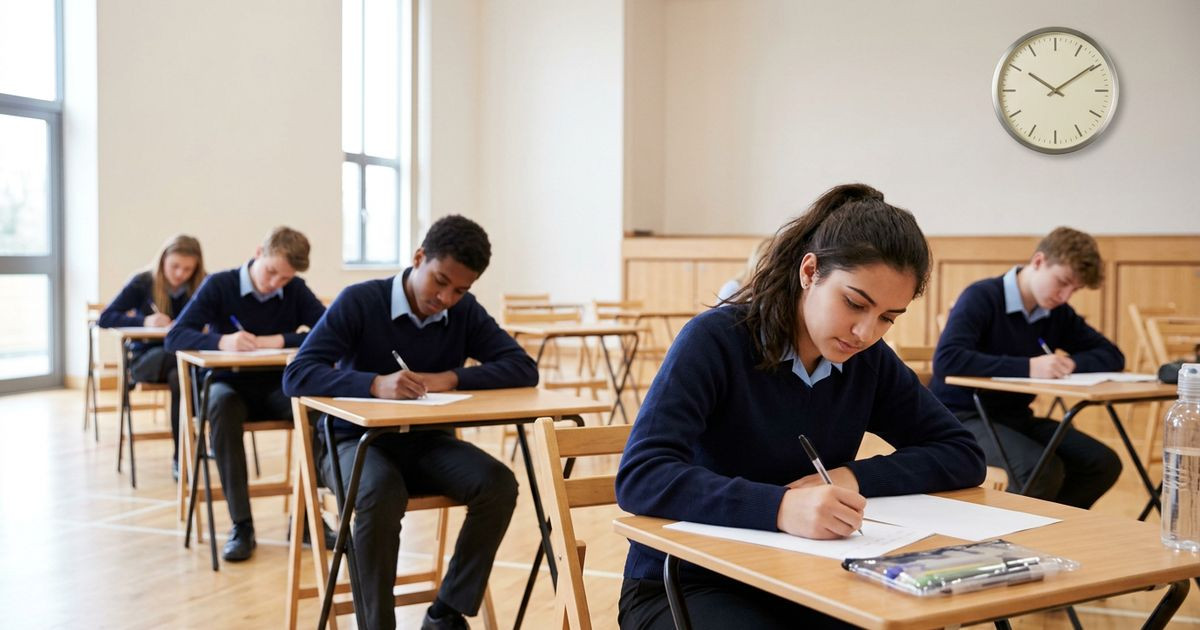
GCSE exams are one of the most important stages in a student’s academic journey. While students are responsible for their own revision, the support they receive at home can make a significant difference to their confidence, motivation, and final results.
Many parents are unsure how to help, especially if the GCSE system is different from what they experienced. The good news is that supporting a GCSE student does not require expert subject knowledge. What matters most is creating the right environment, reducing stress, and helping your child stay consistent during the exam period.
This guide explains practical ways parents in the UK can support GCSE students in 2026 without pressure, panic, or confusion.
Most GCSE exams in the UK take place between May and June. Students usually begin serious revision several months earlier, often from January onwards. During this time, many teenagers feel pressure from school, mock exams, and expectations about future college or sixth-form choices.
Knowing the exam timetable early helps families plan revision routines, holidays, and daily schedules more effectively. Parents should encourage students to check their confirmed dates and understand which subjects come first, as this can influence revision priorities.
When parents understand the exam timeline, it becomes easier to provide calm and practical support instead of last-minute stress.
One of the most helpful things parents can do is provide a quiet and organised space for revision. Students do not need a perfect study room, but they do need somewhere they can focus without constant distractions.
A good study environment usually includes a comfortable desk, proper lighting, and a regular time set aside for revision. Encouraging a routine helps students stay consistent, especially during the months leading up to exams.
It is also important to limit unnecessary interruptions. Small changes, such as reducing noise during study time or keeping phones away from the desk, can improve concentration more than parents realise.
Many parents want their child to achieve the highest possible grades, but too much pressure can have the opposite effect. GCSE students often already feel stressed, so support should focus on encouragement rather than constant reminders about results.
Instead of asking about grades every day, it can help to ask simple questions such as what subject they worked on, what they found difficult, or what they plan to revise next. This keeps communication open without making the student feel judged.
Confidence grows when students feel trusted, and confidence often leads to better performance.
Successful GCSE preparation is not about studying all day. Students perform better when revision is balanced with rest, sleep, and normal daily activities.
Parents can help by encouraging regular breaks, healthy meals, and enough sleep, especially before exams. Teenagers sometimes try to revise late at night, but lack of sleep makes it harder to concentrate and remember information.
A steady routine, rather than last-minute cramming, usually leads to better results.
Feeling nervous before exams is completely normal. Most GCSE students worry about forgetting answers, running out of time, or not getting the grades they need.
Parents can help by staying calm and avoiding negative comparisons with other students. Every child learns differently, and progress should be measured individually.
Simple reassurance, listening without interrupting, and reminding them that one exam does not decide their entire future can make a big difference to how they feel.
When students feel supported at home, they are more likely to stay focused during revision and more confident on exam day.
Some students struggle not because they do not understand the subjects, but because they find it hard to stay organised. Parents can help by encouraging the use of a simple revision timetable or checklist.
Planning revision sessions by subject, rather than trying to do everything at once, makes studying feel more manageable. It also helps students see progress, which keeps motivation high.
Parents do not need to control the timetable, but showing interest in the plan can help students stay on track.
Even with good intentions, some actions can increase stress instead of helping. Constant reminders about exams, comparing siblings, or focusing only on grades can make students feel overwhelmed.
It is also important not to solve every problem for them. GCSE preparation is part of learning independence, and students need the chance to take responsibility for their own work.
Support works best when it is calm, consistent, and realistic.
Supporting a GCSE student is not about knowing every subject. It is about creating a stable environment where they can work, make mistakes, and improve without fear.
Encouragement, routine, and patience often help more than extra tutoring or long study hours. With the right balance of guidance and independence, most students are capable of achieving strong results.
GCSE exams are important, but they are only one step in a much bigger journey, and the support parents provide during this time can make a lasting difference.
Recent Posts
Categories
Tags




 Updated 02-March-2026