On-screen GCSE and A Level exams are on the way in England, but in a far more limited form than some reports suggested. Under Ofqual's proposals, each of the four main exam boards could introduce up to two new on-screen qualifications, and only in smaller subjects. GCSE English, maths and the sciences would stay on paper, and the first new on-screen exams are not expected until around 2030.
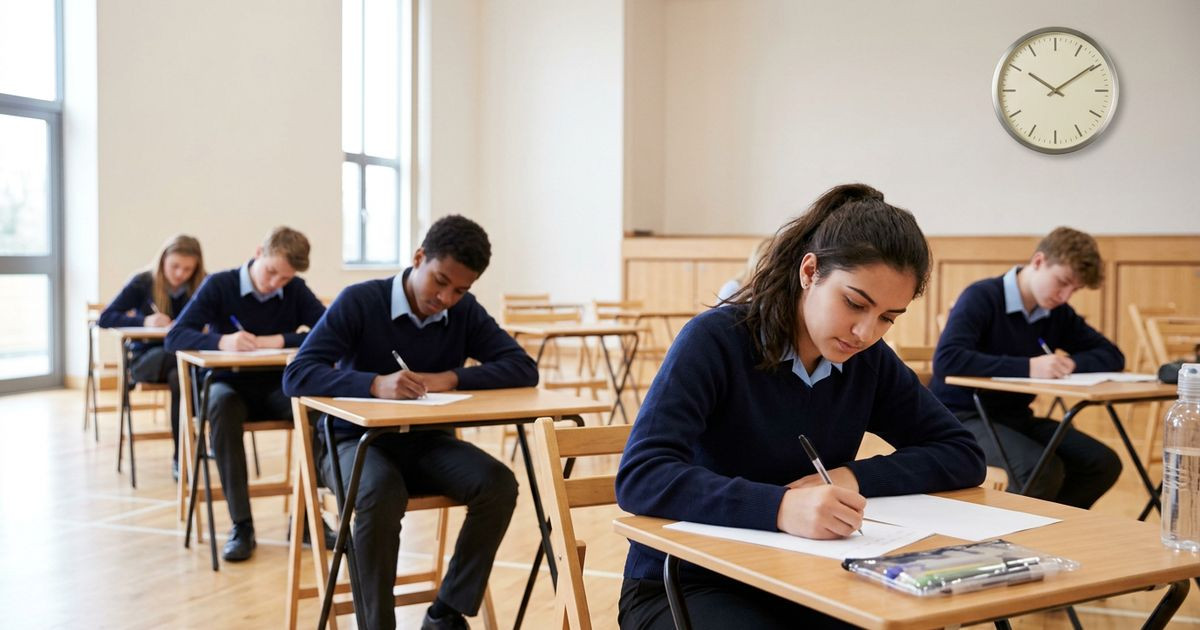
So if your child is at secondary school now, their core GCSEs will almost certainly be handwritten.
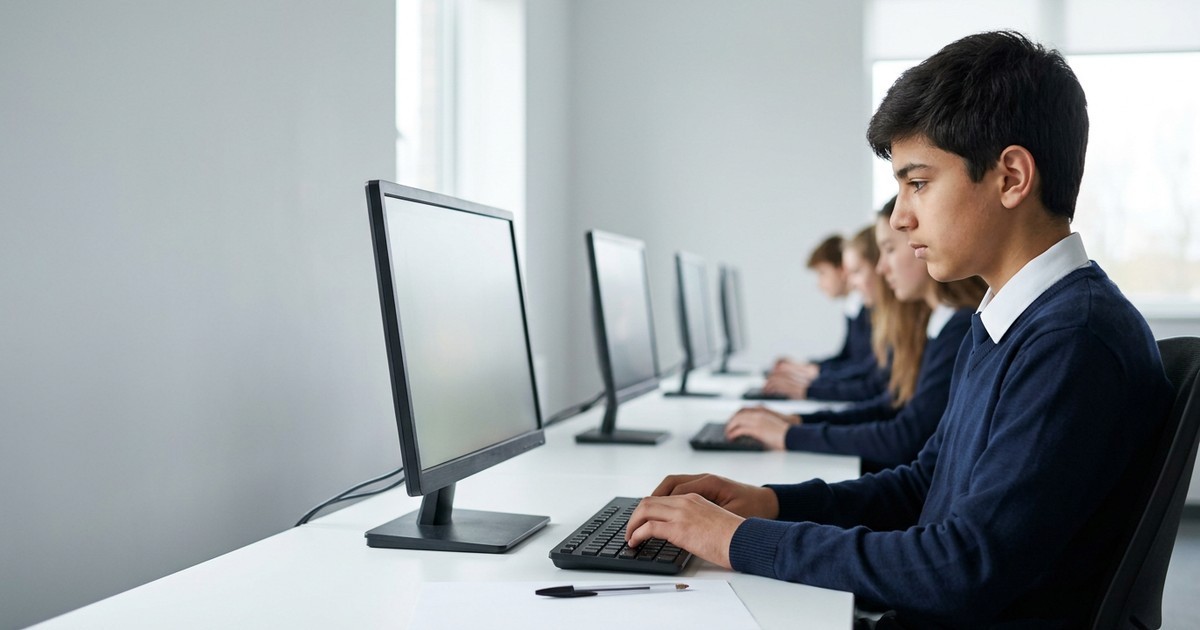
On-screen assessment is not entirely new. Ofqual counts five existing specifications that use it, including computer science GCSEs and A Levels from some boards, GCSE geology, and GCSE food preparation and nutrition. These are exceptions in a system where nearly every paper is still sat with a pen.
Ofqual, the exams regulator, consulted between December 2025 and March 2026 on how to regulate on-screen exams in GCSEs, AS and A Levels. The approach is deliberately cautious.
|
Proposal |
What it would mean |
|---|---|
|
Up to two new on-screen specifications per exam board |
At most eight new on-screen qualifications across AQA, OCR, Pearson Edexcel and WJEC Eduqas |
|
No on-screen versions of subjects with more than 100,000 entries |
The biggest subjects stay on paper for now |
|
On-screen and paper versions as separate qualifications |
Different questions in each, so standards can be checked separately |
|
School or college devices only |
Students could not use their own laptops or tablets |
|
Mode chosen in advance |
A school picks on-screen or paper for the whole qualification |
The proposals are set out in full on Ofqual's consultation page. Ofqual said detailed rules would follow in 2026, depending on what it heard.
The 100,000-entry threshold covers most of what a typical student sits. On current entry numbers, these would not get new on-screen versions: GCSE English language and literature, GCSE maths, combined science, biology, chemistry and physics, history, geography, religious studies, French, Spanish and business. Among A Levels, only maths is above the line, which makes smaller A Level subjects the more likely candidates for change.
Exam boards will decide which subjects to put forward, and each would need Ofqual's approval. Before these proposals, boards had talked about on-screen options in computer science and some smaller languages. Ofqual also recognises that working on screen is part of what is being assessed in subjects like computer science, British Sign Language and music technology.
The head of Ofqual has said the first new on-screen exams could arrive around 2030, and the timetable explains why. A board has to write a new specification, have it accredited, and then schools teach it for two years before anyone sits the exam. Platforms and devices also need testing, and Ofqual has said it will publish guidance on what is suitable.
Done well, on-screen exams can offer adjustable text size and colours, text-to-speech, and questions that use audio or video, none of which paper can do. Some students also type faster than they write and find it easier to restructure an answer on screen.
The risks are just as real. Students need plenty of practice on the exact platform they will use, schools without enough reliable computers may be slower to offer on-screen subjects, and long answers demand comfortable typing. Disabled students will still be able to use a computer as a reasonable adjustment, and that does not count towards the new limits.
For the next few years, paper is the norm. Handwriting stamina, clear layout and the ability to plan an answer before writing it still decide marks in English, history and the sciences. Keyboard skills are worth building too, since coursework, homework and applications are increasingly typed, but they will not replace a well-practised pen.
Our GCSE tuition and A Level tuition prepare students for the papers they will sit, with timed practice and structured written answers. Sessions are available at our East London centres and through online tutoring.
Recent Posts
Categories
Tags



 Updated 21-October-2026