The move from Year 2 to Year 3 is the start of Key Stage 2. Children are expected to work more independently, read longer texts, write at greater length and learn new maths such as the 3, 4 and 8 times tables. For some, it also means moving from an infant school to a separate junior school.
Most children find their feet within a term. The ones who struggle are usually those who reached the end of Year 2 still unsure of their reading or number facts, and a relaxed summer of practice makes a real difference for them.
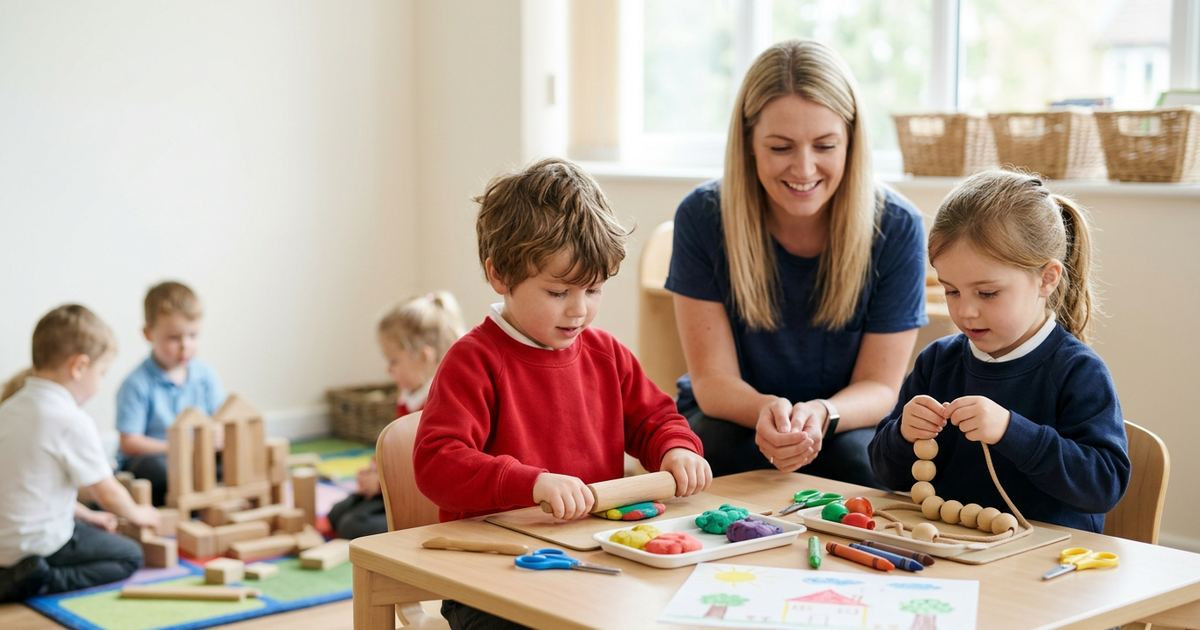
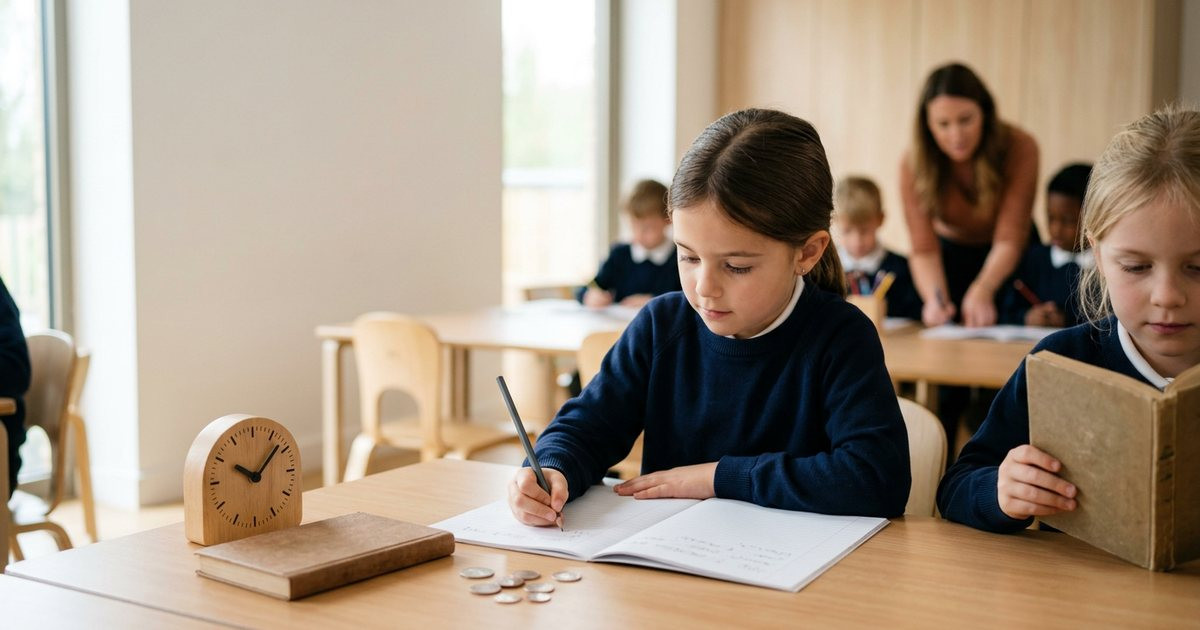
In Key Stage 1, there is still plenty of practical, play-based learning. In Year 3, lessons become more structured. Children spend more time at tables, are expected to follow multi-step instructions, and are given more tasks to complete on their own.
Many schools also introduce more homework, such as spellings, reading logs and times tables practice.
The national curriculum raises expectations in several ways in Years 3 and 4:
Reading shifts from learning to decode towards reading for meaning. Children read longer books, discuss characters and themes, and begin to explain their views.
Writing becomes longer and more organised, with paragraphs, headings in non-fiction and a wider range of sentence structures.
Spelling introduces more prefixes and suffixes, homophones and the statutory word list for Years 3 and 4.
Handwriting moves towards joined writing in all independent work.
Year 3 maths builds on the number skills children learned in Key Stage 1:
the 3, 4 and 8 times tables, following the 2, 5 and 10 tables in Year 2
formal written methods for column addition and subtraction with three-digit numbers
fractions, including tenths and simple equivalent fractions
telling the time to the nearest minute, using Roman numerals from I to XII and both 12-hour and 24-hour clocks
adding and subtracting money, including giving change
You can see the full requirements in the national curriculum for mathematics on GOV.UK.
Year 3 is the year before the Year 4 multiplication tables check. Children are expected to know all tables up to 12 x 12 by the end of Year 4. Secure 3, 4 and 8 times tables in Year 3 make Year 4 much more manageable.
If your child is changing schools, the transition is bigger. They will meet a new building, new teachers and often new classmates.
Infant and junior schools usually plan transition visits in the summer term. To help:
visit the junior school together if you can, including the playground and entrance
talk about what will stay the same as well as what will change
practise the new journey before term starts
read books about starting somewhere new
keep in touch with friends who are moving too
Key Stage 1 SATs became optional from the 2023 to 2024 school year, so some schools still use them and some do not. Your child's Year 2 report will still describe how they are doing against age-related expectations.
Children who did not meet the expected standard in the Year 1 phonics check retake it in Year 2. If your child still finds decoding difficult at the end of Year 2, make sure the Year 3 teacher knows. Reading support is crucial for the rest of Key Stage 2.
Some children find the step up harder. Look out for:
reluctance to read independently or choosing only very short books
difficulty writing more than a few sentences
uncertainty with number bonds to 20 or the 2, 5 and 10 times tables
frustration or tiredness after school that lasts beyond the first few weeks
These are common in the first term. If they persist, talk to the class teacher about what support the school can offer.
Keep it light. The aim is to maintain skills and build confidence, not to start Year 3 early.
Keep reading daily. Choose slightly longer books or short chapter books, and talk about them together.
Write for a reason. Postcards, shopping lists, a holiday diary or a letter to a relative all build writing stamina.
Secure the basics in maths. Practise number bonds to 20, doubling and halving, and the 2, 5 and 10 times tables.
Start the 3, 4 and 8 times tables gently through counting in steps, songs and games.
Build independence. Let your child pack their own bag and organise homework.
Tell the time together using an analogue clock at home.
Small gaps at the start of Key Stage 2 are far easier to close than the larger ones they become by Year 5. Our KS2 maths tuition and KS2 English tuition are taught in groups of five or six at our Forest Gate, Ilford and Plaistow centres. Our Year 3 maths workbooks give structured number practice for home.
Year 3 marks the start of Key Stage 2, with longer reading, more writing, joined handwriting and new maths such as the 3, 4 and 8 times tables. Children are expected to work more independently, and some also move to a new junior school. Steady reading, writing for real purposes and secure number facts over the summer will help your child start the year with confidence.
Recent Posts
Categories
Tags



 Updated 03-November-2026