School readiness is less about reading and writing than many parents expect. Much of what helps children settle is everyday independence: going to the toilet alone, putting on a coat, listening in a group, asking for help and coping away from home. Early literacy and number matter too, but Reception is designed to teach them.
The checklist below is meant to reassure as much as to guide. Most four year olds can do some of these things confidently and are still working on others, and that is normal.
In England, most children start Reception in the September after their fourth birthday. Children do not legally have to be in education until the start of the term after their fifth birthday, but most begin in Reception with their year group.
Applications for a Reception place usually close on 15 January for the following September. Families in Newham and Redbridge apply through their local council.
The government's ambition is for 75% of five year olds to reach a good level of development by the end of Reception by 2028. This is set out in its Giving every child the best start in life strategy. The skills below give children the strongest start towards that.
going to the toilet independently, including wiping and washing hands
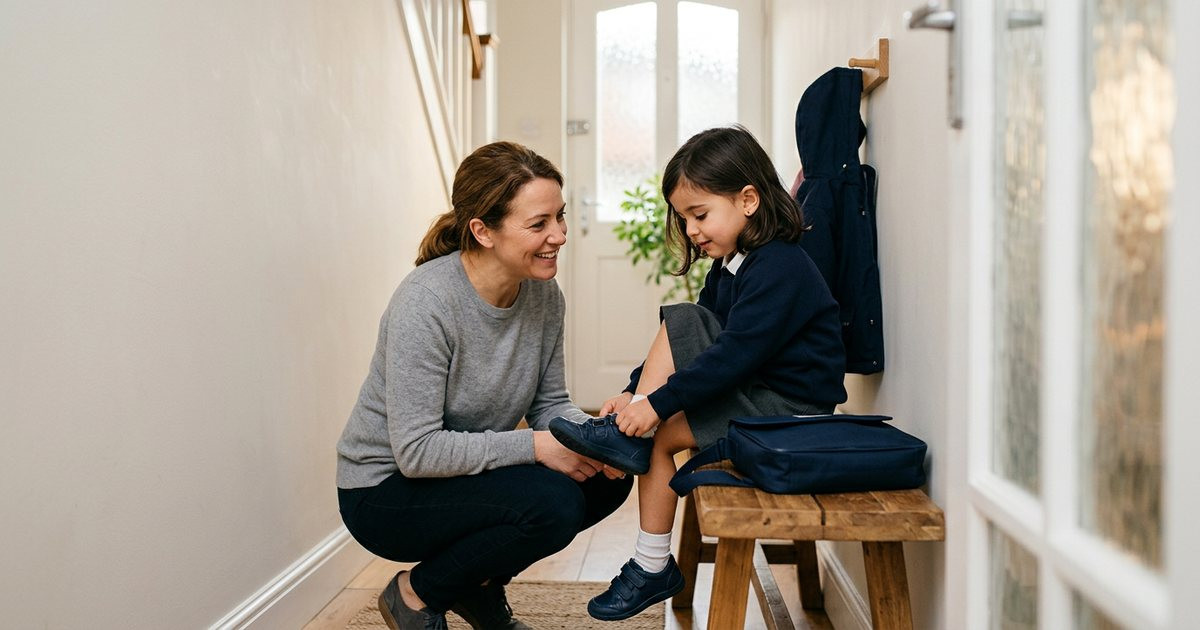
putting on and taking off a coat and shoes, ideally with easy fastenings
eating independently, opening a lunchbox and using a fork and spoon
recognising their own belongings and name label
Reception classes may have 30 children and limited adult support. Children who can manage these routines feel more confident and spend more time learning.
saying what they need, such as "I need the toilet" or "Can you help me?"
following a simple instruction, such as "Put your book in the box and sit on the carpet"
listening to a short story without needing to move away
answering simple questions about what they have heard
Communication and language is one of the three prime areas of learning, and it supports almost everything else.
taking turns and sharing in a game
coping with short separations from parents or carers
beginning to manage frustration, such as waiting a few moments for something
playing alongside and with other children
running, climbing and balancing, which build the core strength needed to sit comfortably
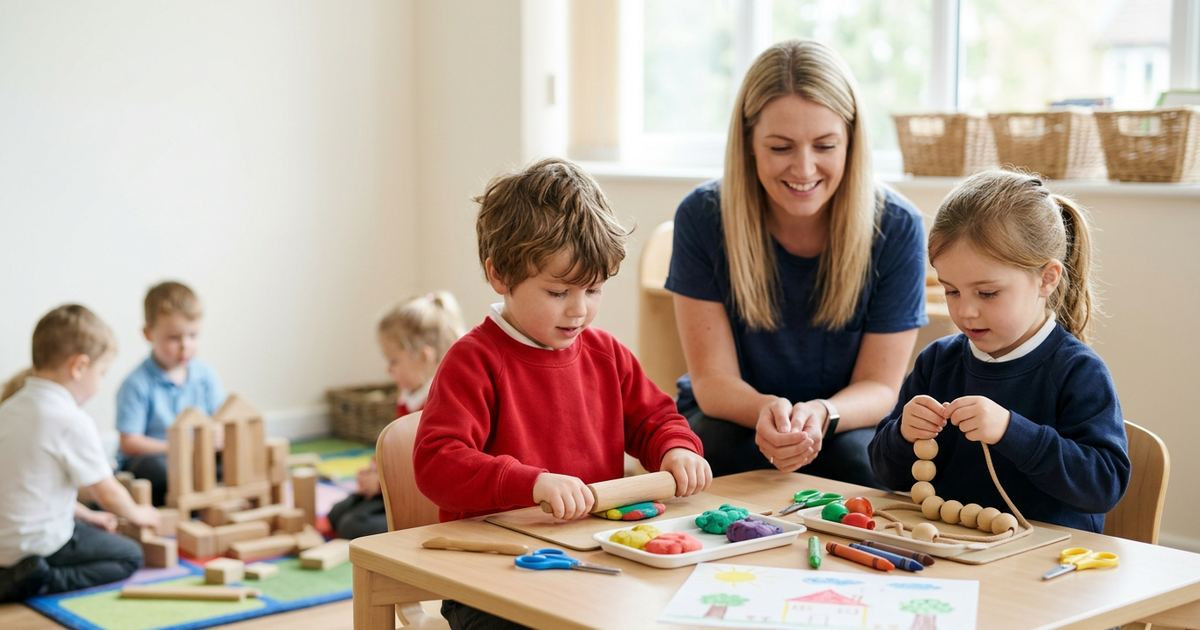
using hands for small tasks such as threading beads, using play dough or turning pages
holding a crayon or chunky pencil and making marks
These help, but they are not entry requirements.
enjoying books and stories
recognising their own name
noticing sounds, such as words that rhyme or start with the same sound
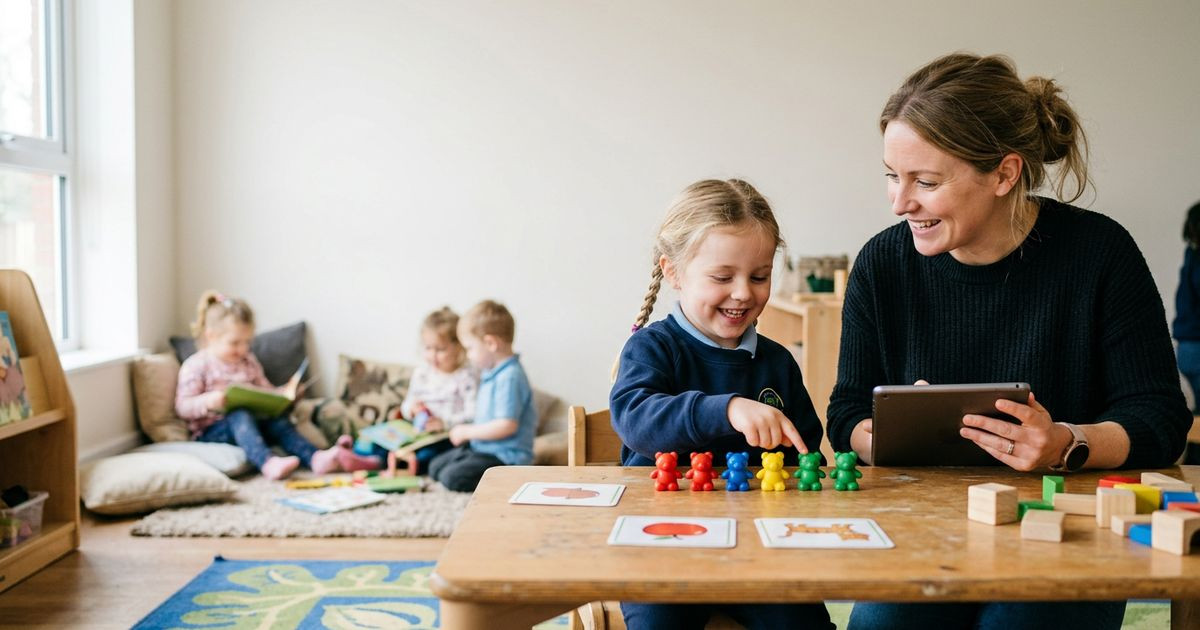
counting a few objects and saying number names in order
talking about size, such as big, small, more and fewer
"My child should be reading before Reception." Reception teaches phonics from the start. A child who enjoys stories and listens well is often better placed than one who has been drilled with flashcards.
"Writing their name is essential." Recognising their name is useful. Writing it neatly develops during Reception as hand strength grows.
"Readiness means academic ability." Independence, communication and confidence come first in the early years framework, because they allow children to learn everything else.
You do not need a programme. A few small changes to daily life make a real difference.
Practise the morning routine. Get dressed, eat breakfast and leave at school time for a week or two before term starts.
Read every day. Choose books about starting school, and talk about what your child is looking forward to.
Encourage self-care. Let your child do up their own coat and shoes, even when it takes longer.
Play counting and sound games during everyday moments.
Arrange short separations with trusted adults, so time apart feels normal.
Visit the school if it offers settling-in sessions, and talk positively about it.
Every child develops at a different pace, and summer-born children can be almost a year younger than classmates. If you are worried about your child's speech, toileting, behaviour or development, speak to their nursery, your health visitor or the school before they start. Schools plan better support when they know in advance.
Most children need nothing more than a good first term. For those who find early reading or number harder once school is under way, our KS1 English tuition and KS1 maths tuition offer extra practice in small groups. Merit Tutors also provides Ofsted-registered childcare for working families.
The most useful skills are independence with toileting and dressing, saying what they need, listening in a group, and getting along with other children. Enjoying books and simple counting also help.
No. Reception teaches early reading through phonics. Sharing books at home is far more helpful than formal reading practice before school.
Children do not have to start school until the term after their fifth birthday. Summer-born children's families can also request a later start in Reception. Speak to your local council's admissions team about the options.
Recent Posts
Categories
Tags



 Updated 30-October-2026